How a Pizza Restaurant Delivers a Better Takeout Experience
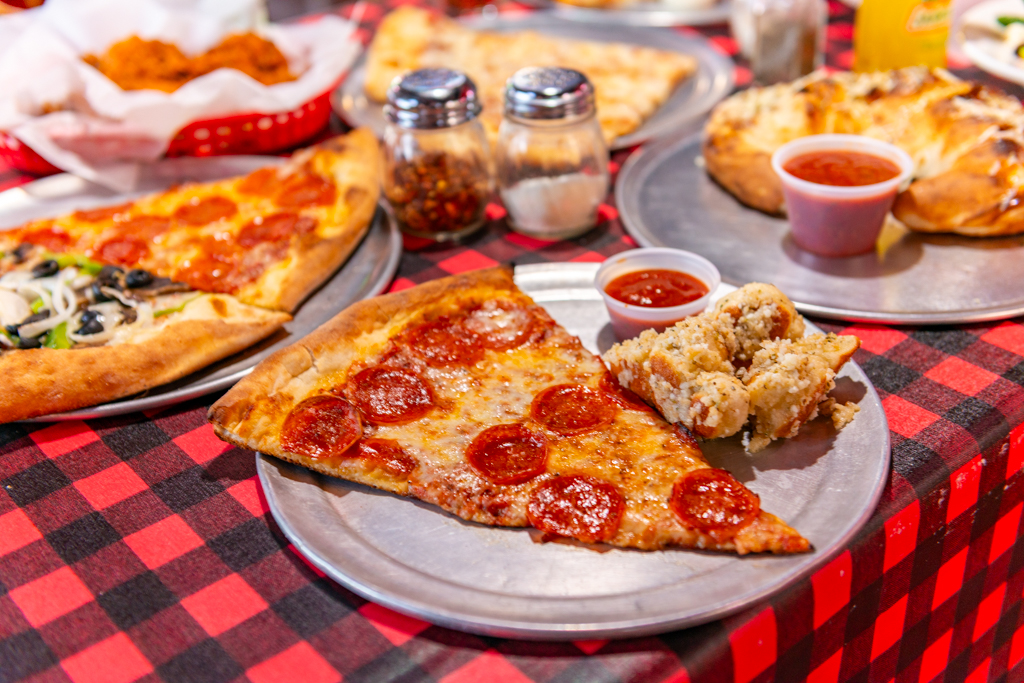
Takeout used to be the backup plan. It was what people chose when the dining room was full, the weather turned bad, or no one felt like cooking. For a busy pizza restaurant, that is no longer true. Takeout is often the main event, and customers judge it with the same intensity they bring to a seated meal. They notice whether the crust stays crisp, whether the order is packed logically, whether pickup feels organized, and whether the food reaches the table at home in the condition the kitchen intended.
That shift changes the job of a pizza restaurant. Great dough and strong toppings still matter, but they are only part of the experience. Takeout is a chain of decisions, each one either preserving quality or slowly eroding it. A pie can leave the oven beautifully blistered and arrive at the customer’s kitchen limp, crowded, and cooling fast. On paper, the restaurant served the same pizza. In practice, it did not.
The restaurants that handle takeout well understand a simple truth. Off-premise dining has its own mechanics. It rewards a different kind of discipline, one built around timing, packaging, communication, and layout. The best operators treat the trip from oven to front door as part of the cooking process, not an afterthought.
Takeout quality begins long before the box closes
A better takeout experience starts in the menu, because not every pizza performs equally well during a ten to twenty minute ride home. Some toppings steam more than others. Some sauces loosen the center of the pie. Some cheeses set nicely, while others congeal into a heavy layer by the time the lid opens.
An experienced pizza restaurant usually knows this from hard lessons rather than theory. A pizza that shines in the dining room can disappoint in takeout if it traps moisture or loses structural integrity quickly. A white pie loaded with ricotta may eat beautifully at table-side and feel heavy and soft in the box. A thin-crust pie with sparse toppings may travel far better. The point is not to eliminate vulnerable menu items. It is to understand how each product behaves after it leaves the pass.
That awareness changes recipe design. Sauce levels may be adjusted slightly for takeout-heavy volume. Mushrooms might be pre-roasted more aggressively to drive off water. Fresh basil could be packed separately for certain orders instead of baking under the lid where it blackens. If a kitchen has enough order history, it can often identify a handful of combinations that trigger the most complaints: soggy centers, shifted toppings, underwhelming temperature, or crust collapse near the tip.
The strongest operators also resist the temptation to offer every possible customization without limits. Customers appreciate choice, but a takeout menu with no guardrails often creates pizzas that do not hold up in transit. There is judgment involved here. A restaurant should not become rigid or paternalistic, yet it should protect the guest from combinations that predictably fail. That might mean limiting extra sauce on very thin dough, discouraging certain double-cheese builds, or flagging a pizza as best enjoyed immediately.
None of that feels flashy, but it is the foundation. A better takeout experience begins with a menu engineered for real travel conditions.
Timing is the hidden craft
When customers describe a good takeout experience, they often talk about convenience. Underneath that word is timing. Convenience is really the feeling that the restaurant respected the customer’s schedule and did not create friction around it.
A pizza restaurant manages timing on several fronts at once. The dough needs proper bake time, but the order also needs to be synchronized with side items, salads, desserts, and pickup flow. If the pie comes out perfectly and then sits for eight minutes waiting on wings, the takeout experience has already started to deteriorate. If the kitchen rushes the pizza to align with a pickup promise that was too aggressive, the result is no better.
This is where strong operations distinguish themselves. They do not simply quote pickup times based on optimism. They quote based on oven capacity, staffing, order mix, and the rhythm of the day. Friday at 6:30 p.m. Is not Tuesday at 2:00 p.m., and customers can usually tell when a restaurant is pretending otherwise.
In practical terms, better timing often means shaping the order promise with more precision. A restaurant that says twenty-five to thirty minutes and then hits that range consistently builds more trust than one that promises fifteen and delivers in thirty. The same applies to digital ordering systems. If online ordering does not reflect actual kitchen load, it can create a cascade of late pickups, overcrowded waiting areas, and food sitting too long in boxes.
There is also a subtler timing issue inside the kitchen. Pizza is unusually sensitive to the few minutes after it leaves the oven. Cut it too soon and cheese slides. Box it too quickly and trapped steam softens the crust. Let it rest too long and heat drops off. Skilled staff find that narrow window where the pie sets enough to slice cleanly and still reaches the customer hot. That rhythm is easy to miss in a poorly trained line and very obvious in a well-run one.
I have seen restaurants https://deanqxdj804.clarionvale.com/posts/how-a-pizza-restaurant-builds-customer-loyalty improve takeout satisfaction without changing a single recipe, simply by reorganizing when pizzas are cut, boxed, and staged for pickup. The food was the same. The handling was not.
Packaging is not a commodity
Many restaurants treat the box as a cost line. Good takeout restaurants treat it as equipment.
A pizza box has one job on paper, to hold the pie. In reality, it has several. It needs to retain enough heat without trapping excessive steam. It needs to support the pizza so slices do not shift. It should be easy to carry, stack, and open. It should protect the product from compression in a crowded pickup bag or car seat. If the restaurant sells by the slice, uses deep-dish pans, or sends out dipping sauces and extras, the packaging system gets even more important.
The classic cardboard box still works because it solves most of these problems reasonably well. Even so, small details matter. Venting helps preserve crust texture. Box size should match the pizza closely enough to limit sliding. Liners can help in some cases, but if used poorly they trap moisture and make things worse. A restaurant that serves square pies may need inserts or a different cut pattern to keep edges from crumpling during transit.
Then there is the broader packaging ecosystem around the pizza. Salads packed beneath hot boxes wilt. Cold drinks thrown into the same bag as a warm pie create condensation. Sauces without secure lids leak into napkins. Desserts can absorb savory aromas if they are packed carelessly. Customers may not articulate these as separate failures, but they feel the disorder immediately.
A well-designed takeout package feels calm. The pizza sits level. The box is clearly labeled. Hot items are grouped together. Cold items are protected. Condiments are included deliberately rather than as an afterthought. Nothing inside the bag suggests haste or guesswork.
Packaging also sends a signal about standards. That does not mean every pizza restaurant needs premium branded materials or expensive custom inserts. Plenty of neighborhood shops deliver a strong experience with simple packaging. What matters is fit for purpose. A modest, well-chosen setup beats fancy packaging that undermines the food.
The pickup area shapes the whole impression
For takeout customers, the host stand often matters less than the handoff point. A pizza restaurant can have an attractive dining room and still create a frustrating off-premise experience if pickup feels chaotic.
This usually shows up in familiar ways. There is no clear line. Online orders compete with dine-in traffic. Drivers crowd the entrance. Customers stand holding their phones, unsure whether to speak to the cashier, the host, or the expo. Completed orders pile up behind the counter, but no one is assigned to manage the flow. From the restaurant’s perspective, this may feel like a space problem. More often, it is a systems problem.
A better pickup area does a few things well. It gives the customer immediate orientation. It separates waiting from ordering when possible. It makes status visible, even if only through simple verbal acknowledgment. Most importantly, it protects the handoff moment. That moment should be quick, accurate, and confident.
Small operational choices make a disproportionate difference here. A dedicated shelf for sealed third-party delivery orders can unclog the counter. Distinct labeling for names and order numbers reduces unnecessary opening and checking. A staff member who greets arriving customers within a few seconds lowers tension even before the food is ready. Clear signage matters too, especially in a busy pizza restaurant where dine-in, carryout, and delivery traffic all converge near the front.
The best pickup setups are often surprisingly plain. They are not impressive because they look expensive. They are impressive because they remove confusion. Customers can tell when a restaurant has walked through the pickup journey from the guest’s side of the counter.
Accuracy builds more loyalty than speed alone
Speed gets attention, but accuracy earns repeat business. Few things sour takeout faster than getting home and discovering a missing side, the wrong topping, or a pie cut in a way the family specifically asked to avoid.
Pizza restaurants face particular challenges here because the order can contain multiple custom items that look similar at a glance. Two large pies may differ by one topping on half the pizza. A gluten-free crust may be boxed near a standard one. One order may include ranch, chili oil, and grated cheese, while another wants none of them. During rush periods, those details blur unless the restaurant has a disciplined final check.
This is where many operations either protect or waste the effort of the kitchen. The final verification should not be a perfunctory glance. It should confirm the essentials that matter most in takeout: the correct items, the correct modifications, the right extras, and clean packaging that does not force the customer to decipher what they received.
Restaurants sometimes resist a more formal check because they fear slowing down throughput. That trade-off is real, but it is often overstated. A thirty-second quality check at pack-out can prevent a refund, a replacement trip, and a disappointed customer who may not return. For high-volume periods, a designated expeditor usually pays for themselves by reducing remakes and front-counter disputes.
Accuracy also extends to expectation setting. If a pizza is intentionally well done, that should be marked and checked. If an item is temporarily unavailable, the customer should know before pickup, not after arriving. If a side of hot honey costs extra and was added, it needs to be in the bag. These sound like basics because they are. Basics are what customers remember.
Communication should feel useful, not performative
Digital ordering gives restaurants many new ways to communicate, but more messages do not automatically create a better experience. The goal is not volume. The goal is confidence.
A customer ordering takeout from a pizza restaurant wants a few practical things. They want to know the promised pickup time, whether the order is on track, and where to go when they arrive. If something changes, they want that update early enough to adjust. Anything beyond that has to earn its place.
A good confirmation text is simple and specific. A good delay message acknowledges the problem without sounding canned. A good pickup instruction reduces uncertainty in one sentence. The communication should match the operation. If curbside is inconsistent, do not overpromise it in the app. If parking is limited, say so plainly. If the restaurant gets slammed during school sports nights or local events, a note on expected timing can soften frustration before it starts.
Human communication still matters just as much. Front-of-house staff do not need long scripts. They need clarity and judgment. “Your order is just being boxed now, about three minutes” is far more useful than “It should be right up.” Customers can tolerate a delay better than vague reassurance.
There is a fine line here. Some restaurants over-explain every bump in service and create more anxiety than necessary. Others say almost nothing and force customers to chase basic information. The best communication is steady, brief, and credible.
Takeout succeeds when the kitchen and front counter act as one system
One of the most common weaknesses in takeout-heavy restaurants is the invisible wall between production and pickup. The kitchen sees tickets and oven load. The front counter sees customers and mounting impatience. If those views are disconnected, the restaurant cannot manage the experience coherently.
A pizza restaurant that delivers a better takeout experience usually has stronger cross-functional awareness. The front knows when the oven is backed up. The kitchen knows when ten customers have just arrived early for orders still in progress. The manager can step in before a bottleneck turns into a full-room slowdown.
This is less about technology than about habits. Pre-shift communication helps. So does a shared language for delays and priorities. If a kitchen uses one term for “fire now,” another for “hold,” and a third for “customer waiting,” the front and back of house can respond quickly without drama. If nobody is sure who owns the handoff problem, it lingers until the customer gets frustrated.
The same unity matters when issues arise. If a pizza was made incorrectly, the remake process should be decisive. If a customer arrives before the quoted time, the counter should be able to assess status without disappearing for several minutes. If traffic from dine-in service starts hurting carryout accuracy, someone has to rebalance the floor in real time.
Restaurants sometimes frame takeout as a channel, separate from the “real” business. Operationally, that mindset causes trouble. Takeout is not separate. It is the business, expressed under different constraints.
Better takeout often means editing the menu, not expanding it
There is a strong temptation in off-premise service to chase every preference. More appetizers, more sides, more desserts, more customization, more bundles. Some of that helps. Some of it quietly degrades execution.
A pizza restaurant should evaluate takeout items not just by popularity, but by how well they travel, how complex they are to pack, and how much they disrupt the line during peak periods. Garlic knots that can be finished and boxed fast may be excellent takeout items. A delicate plated appetizer that loses all appeal in a clamshell container is probably not. The same logic applies to family meals, salads, and combo offers.
Editing the menu is difficult because every item has advocates. Regulars love certain dishes. Managers hate saying no to incremental sales. But there is a cost to carrying weak takeout performers. They consume labor, create inconsistency, and increase the odds that the customer’s overall meal feels incoherent.
Sometimes the smartest move is to narrow choice during peak periods. A restaurant may keep full customization during slower hours and simplify certain options on Friday night. Another may remove an item from online ordering while retaining it for dine-in. There is no universal answer, but there is a clear principle: the takeout menu should reflect what the operation can execute well, repeatedly.
Customers rarely complain that a menu had slightly fewer fragile options. They do complain when a broad menu arrives in poor condition.
The home table is part of the experience
A restaurant cannot control what happens after the bag leaves the counter, but it can influence it more than many operators think. The handoff can prepare the customer to enjoy the meal properly.
This is especially relevant for pizza because it changes fast. A box left closed too long keeps steaming. A pie cut into very thin slices cools faster than one cut into larger pieces. A reheating tip for leftover slices can actually improve perceived value. If a specialty pizza includes a finishing oil or fresh greens, a quick note about adding them at home can preserve texture and flavor.
The key is restraint. Nobody wants a lecture with their order. But a short, practical cue can help. “Open the box once you get home if you’re not eating right away” is useful. So is “Dressing is packed separately.” These small signals suggest the pizza restaurant cares about the full meal, not just the sale.
There is also a hospitality element here that is easy to overlook. A neatly packed order, with obvious thought behind it, gives the customer confidence before the first bite. That confidence matters because takeout lacks the reinforcing cues of dine-in service. There is no server presenting the food, no plate, no room ambiance. The package and the handoff carry more emotional weight than many restaurants realize.
What customers actually remember
When people talk about a standout takeout experience, they rarely start with abstract service language. They say the pizza was still hot when they got home. They say pickup was easy. They say nothing was missing. They say the crust stayed crisp. They say the restaurant was busy but still organized. They say they ordered for six people and every box was labeled so dinner did not turn into a scavenger hunt.
Those memories are operational outcomes. They come from dozens of choices made consistently over time. A better takeout experience is not built on one heroic employee or one expensive software platform. It is built on standards that hold under pressure.
For a pizza restaurant, that means respecting takeout as its own craft. The dough still matters. The bake still matters. But so do the box, the promise time, the pickup counter, the packing sequence, the communication, and the final check. Any weak link shows up at the customer’s kitchen table.
Restaurants that excel here tend to share one mindset. They do not ask whether takeout can be “good enough” compared with dine-in. They ask what takeout needs in order to be genuinely excellent on its own terms. Once that question becomes part of daily operations, the customer feels the difference immediately.
And when they do, they come back. Not just because the pizza tasted good, but because the whole experience worked the way it should.
RUFFRANO'S HELL'S KITCHEN PIZZA Security
385 Main St, Colorado Springs, CO 80911
(719) 390-4355
FAQ About pizza restaurant
Is there a Hell's Kitchen pizza restaurant in Security-Widefield?
Yes. Ruffrano's Hell's Kitchen Pizza has a Security-Widefield location at 385 Main St.
Where can I find pizza delivery in Security-Widefield?
Ruffrano's Security location offers online ordering. Enter your address at checkout to check delivery availability and fees.
Where can I find gluten-free pizza in Security-Widefield?
Ruffrano's menu lists a 12-inch gluten-free option. Call the Security location to confirm availability and ask about shared equipment if cross-contact is a concern.